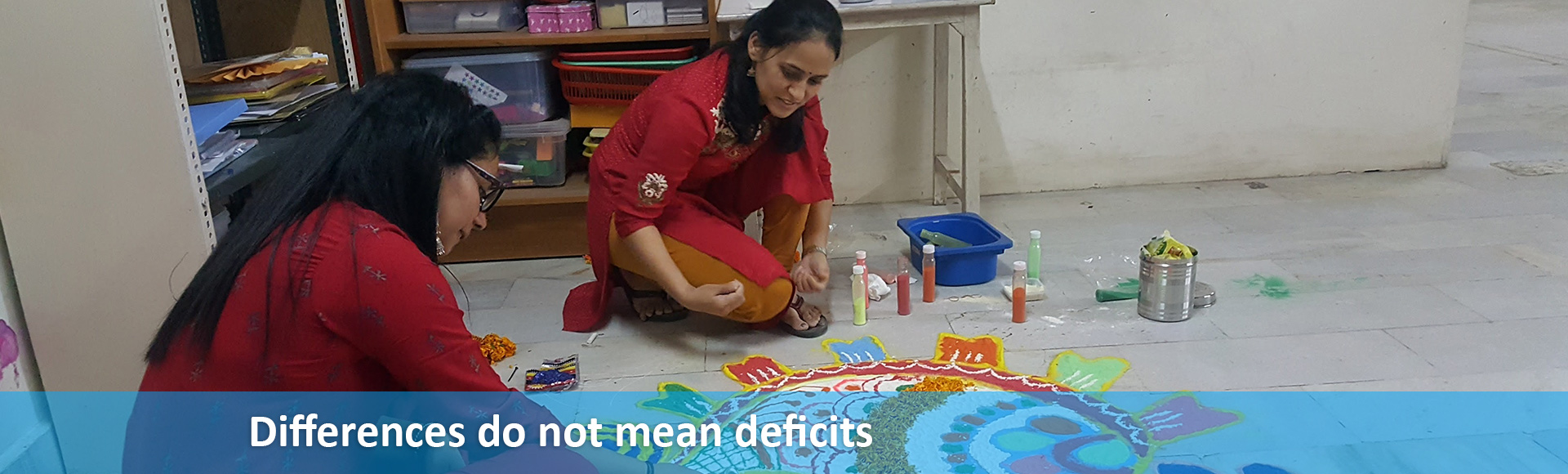
Neurodiversity describes the idea that people experience and interact with the world around them in different ways- there is no one "right" way of thinking, learning, and behaving.
Neurodiversity simply suggests that there is no one ‘right’ way of thinking, learning, and behaving.
The world has restricted the meaning of the word ‘neurodiverse’. It has begun to represent children who process the world differently – specifically with labels of autism spectrum disorder (ASD), attention deficit hyperactivity disorder (ADHD) and Dyslexia and other neurodevelopmental difficulties.
We must accept and embrace the individuality and support every individual achieve their potential
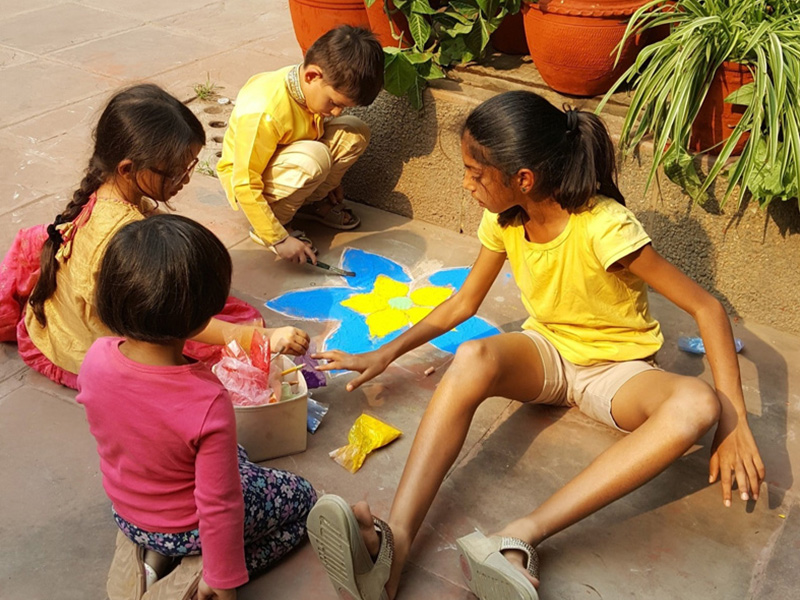
Recognising the full spectrum of human cognitive variation and building environments where every person can flourish.
Neurological differences such as autism, ADHD, dyslexia, and others are natural and valuable forms of human diversity, not deficits to be fixed.
Neurodivergent individuals often have exceptional abilities in creativity, pattern recognition, focus, and original thinking that enrich our communities.
True inclusion means designing schools, workplaces, and communities that respect and accommodate a wide range of neurological profiles.
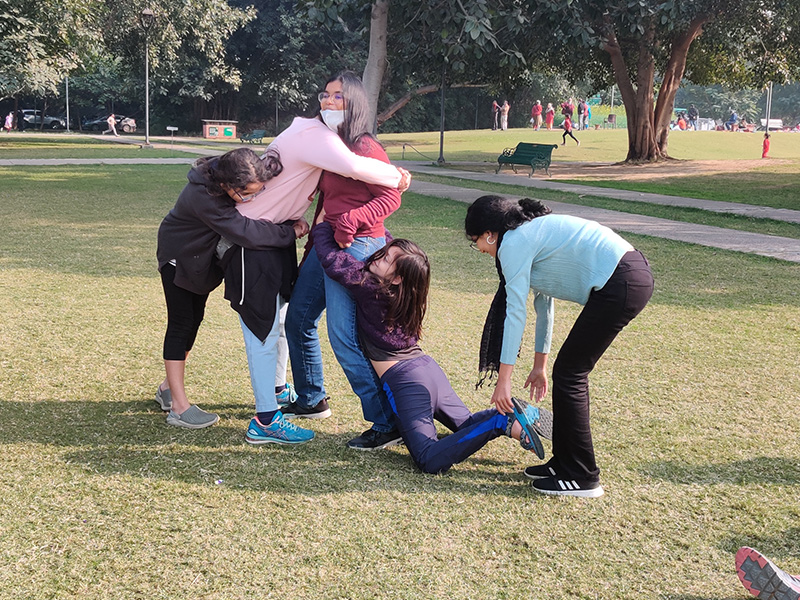
Children with neurodiverse learning needs face barriers in the education system and those imposed by social norms and constructs. It is observed that this leads to higher chances of experiencing challenging behaviours and social exclusion and loss in learning opportunities.
To break these barriers, society should attempt to comprehend, accept, accommodate and skill children. Differentiating education to help children communicate their needs and access educational resources to enhance their natural strengths and support their challenges.
Each one of us contributing thus, can show that we are truly committed to inclusion and equality.
CRIA works across the full neurodiversity spectrum, providing evidence-based support for a wide range of neurological differences.
Differences in social communication, sensory processing, and behaviour with a wide range of strengths and needs.
Variations in attention, impulse control, and activity level that can also bring creativity, energy, and hyperfocus.
Differences in reading and language processing, often accompanied by strengths in visual and spatial thinking.
Differences in motor coordination and planning, with many individuals showing strong verbal reasoning abilities.
Varied support needs with great potential for growth and meaningful community participation when given the right environment.
Differences in how sensory information is received and interpreted, affecting daily learning and social engagement.
CRIA's neurodiversity-affirming approach combines the rigour of Applied Behaviour Analysis with the warmth of Acceptance, Respect, and Compassion always tailored to each child's unique profile, family context, and cultural background.
Get updates on programs, events, and resources for families and professionals.
© CRIA. All Rights Reserved.